Selling What Sitto Made: How Syrian-Lebanese Americans Are Turning Heritage Into a Hustle
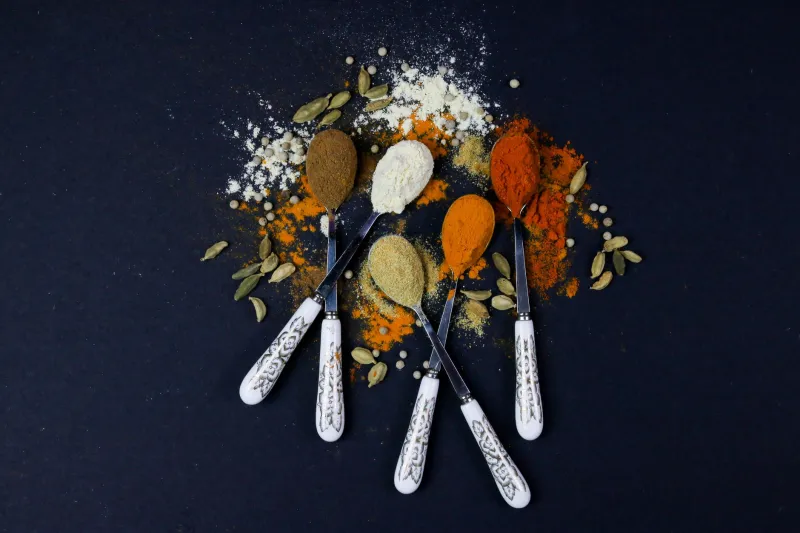
There's a jar of za'atar sitting on a kitchen counter in Dearborn, Michigan, that started a small business. Nadia Haddad — third-generation Lebanese American, former dental hygienist, current obsessive home cook — mixed her first batch to give away as holiday gifts. By February, she had a waitlist.
"I thought maybe ten people would want it," she laughs. "My aunt called me from New Jersey saying her neighbor was asking where to get some. I didn't even have a name yet."
She does now. Zeitoun & Thyme ships to 22 states.
Nadia's story isn't unique. Across the country, Syrian-Lebanese Americans are quietly building micro-businesses rooted in the sensory stuff of their upbringings — the spices, the textiles, the music, the recipes that lived in kitchens and grandparents' closets. Call it the nostalgia economy. Call it heritage commerce. Either way, it's real, it's growing, and it's complicated in all the best ways.
Memory as Raw Material
What makes this wave of small-batch entrepreneurship interesting isn't just the products — it's the motivation behind them. These aren't people who saw a gap in the market and reverse-engineered a brand. Most of them started by trying to recreate something they missed.
Rami Suleiman, a graphic designer in Chicago, spent two years trying to digitize his late father's vinyl collection of classic Syrian muwashshah recordings before he realized other people were hungry for the same thing. He now curates and sells premium digital playlist packages — think carefully sequenced Levantine classics formatted for modern streaming — alongside limited-run printed liner notes that read more like love letters than track listings.
"People buy it because they want to feel something specific," Rami says. "It's not just music. It's Sunday mornings at their grandparents' place. It's the smell of coffee and the sound of the news in Arabic."
He charges $35 for a curated collection. He's sold over 400.
The Authenticity Question
Of course, the moment money enters the picture, things get thorny. Selling culture — even your own culture — opens up a whole set of questions about who gets to profit, what gets preserved, and what gets flattened for a broader audience.
Layla Barakat, who runs Bilad Stitch out of her apartment in Brooklyn, makes embroidered goods inspired by traditional Syrian and Lebanese textile patterns — pillow covers, wall hangings, small framed pieces. She's careful about the language she uses.
"I don't say 'authentic Syrian embroidery' because I learned from YouTube videos and my mom, not from a master craftsperson in Aleppo," she explains. "I say it's inspired by the tradition. That matters to me."
Layla donates a percentage of her sales to a Syrian artisan collective that trains displaced women in traditional embroidery. It's her way of making sure the real tradition gets resourced, not just referenced.
That kind of intentionality shows up a lot in this community. There seems to be a shared awareness that cashing in on heritage without giving back to it is a line worth watching.
The American Market Is Ready
Here's the thing that surprises a lot of these entrepreneurs: it's not just Syrian-Lebanese customers buying their stuff.
Nadia estimates that about 40 percent of her za'atar orders come from people with no Middle Eastern background at all — food bloggers, chefs, curious home cooks who stumbled across her Instagram and got hooked.
"Americans are really into knowing where their food comes from now," she says. "When I tell the story of my grandmother's blend — the specific ratio of sumac, the way she toasted the sesame seeds — people connect with that. It doesn't matter if they grew up eating it."
This crossover appeal is part of what makes the timing feel right. The broader US food and craft market has shifted toward provenance, story, and small-batch production. Syrian-Lebanese heritage products fit neatly into that appetite — and bring something genuinely different to the table.
More Than a Side Hustle
For most of these creators, the money is welcome but secondary. What they describe more often is a sense of purpose — a feeling that they're doing something that matters beyond the transaction.
Rami put it plainly: "If I don't do this, who will? My kids aren't going to grow up hearing muwashshah at family parties. So I'm making it available in a format they'll actually use."
Layla echoed that: "Every piece I sell is a conversation starter. Someone hangs it on their wall, a guest asks about it, and suddenly they're learning about Syrian textile history. That's worth more than the $80 they paid."
Nadia just wants people to use the za'atar. "Put it on your eggs. Put it on your bread. Tell your kids what it's called. That's the whole thing."
The nostalgia economy, it turns out, isn't really about nostalgia. It's about transmission — finding new containers for old things, and trusting that the next generation will find their way to them.