Loving a Place You've Never Really Lived: On the Myths Syrian-Lebanese Americans Build About 'Back Home'

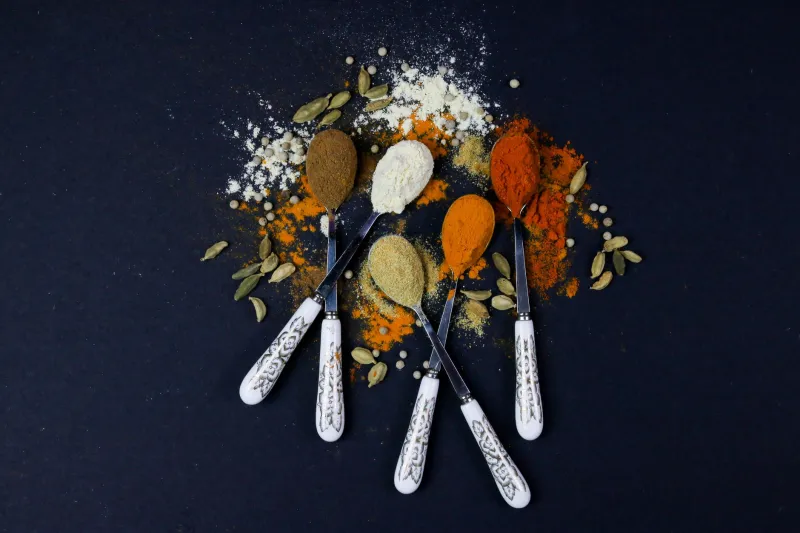
I want to start with the aesthetic. You've seen it — the golden hour shots of Byblos, the crumbling-but-beautiful Beirut balconies draped in bougainvillea, the hands dusted with semolina over a tray of ma'amoul. It's gorgeous. It's also, in a very specific way, a construction.
Not a lie, exactly. But a curation. A version of Syria and Lebanon assembled from family stories told at their most luminous, from heritage trips designed to deliver maximum feeling, from social media accounts that have every incentive to make the old country look like a dream worth longing for.
And for a lot of younger Syrian-Lebanese Americans — people who grew up in Houston or Dearborn or Raleigh, who've maybe visited once or twice, who speak Arabic with an accent their relatives find charming or sad depending on the day — this constructed version of "back home" has become a central part of how they understand themselves. Which is beautiful. And also worth examining.
The Story We Inherited
Every diaspora community does this to some extent. You leave a place, you carry it with you, and over time the memory gets polished. The difficult parts — the poverty, the political dysfunction, the daily frustrations — fade a little. The good parts — the food, the family, the warmth, the belonging — get brighter.
For Syrian-Lebanese Americans specifically, this process has been intensified by conflict. Families that left Syria before the war carry a version of the country that no longer exists. Families that left Lebanon during the civil war or the economic collapse are mourning something real that was genuinely destroyed. The nostalgia isn't irrational — it's a response to actual loss.
But the children and grandchildren of those who left inherit the nostalgia without always inheriting the full context. They get the golden version. The sfeeha and the summer evenings and the cousins who all lived within walking distance of each other. What they often don't get is the texture of what made leaving feel necessary.
When Heritage Becomes Aesthetic
Here's where it gets a little uncomfortable. The Syrian-Lebanese American identity has, in recent years, developed a very distinct visual and cultural language — one that looks great on social media and at community events and in the kinds of think-pieces that celebrate diaspora culture.
There's nothing wrong with any of it individually. Celebrating food, language, music, and craft is genuinely meaningful. But there's a version of heritage engagement that starts to feel more like costume than connection — where the dabke at the wedding and the Arabic calligraphy tattoo and the carefully sourced olive oil from a specific Lebanese village are all assembling an identity that's more about feeling rooted than actually being rooted.
And the thing is, that's understandable. When the actual place you're claiming is complicated — politically unstable, economically devastated, or simply not a place where you could realistically live your American life — you build the version you can hold. You curate.
The problem isn't the curation itself. The problem is when the curated version becomes so fixed that it can't accommodate reality.
What Actually Happens When You Go
Talk to Syrian-Lebanese Americans who've spent significant time in Syria or Lebanon — not heritage trips, but actual extended stays — and the conversation gets more textured fast.
Yes, the food is extraordinary. Yes, the warmth of extended family is real. Yes, there are moments of recognition so powerful they make you feel like you've finally arrived somewhere you've always belonged.
And also: the bureaucracy is exhausting. The power goes out. The political tensions are palpable and sometimes frightening. The gender dynamics, depending on where you are and who you're with, can feel like whiplash for someone raised in an American context. The cousins who seemed so warm at family gatherings in the US can feel like strangers when you're navigating daily life together. And you — with your American accent and your American expectations and your American passport — are never quite not a foreigner, no matter how deeply you feel the connection.
None of this cancels out the love. But it complicates the mythology. And that complication is worth sitting with rather than editing out.
The Generational Tension
This is where things can get tense between generations. Older Syrian-Lebanese Americans — those who actually lived in the countries they left — sometimes have complicated feelings about the way younger diaspora members engage with heritage. There's pride, certainly. But there's also, occasionally, a quiet frustration with romanticization that doesn't account for the full picture.
And younger Syrian-Lebanese Americans sometimes push back against what they perceive as gatekeeping — the implication that unless you lived it, you don't get to claim it. Which is also a fair point. Identity doesn't require residency. Belonging doesn't have a passport requirement.
But maybe both things can be true. You can claim your heritage fully and still acknowledge that the version of Syria or Lebanon you're carrying is filtered through distance, family memory, and your own need for a sense of origin. Holding both of those things at once isn't a betrayal of your roots. It's just honesty.
Loving Your Roots Without Romanticizing Them
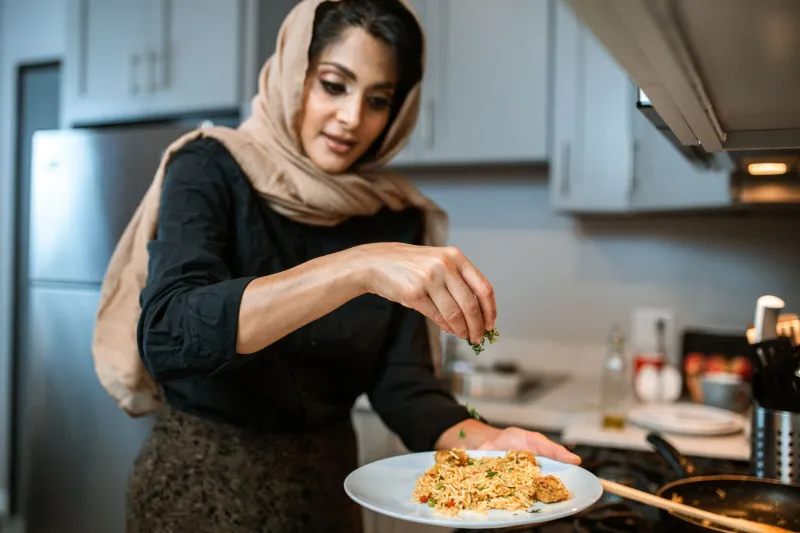
Here's what this isn't: an argument that Syrian-Lebanese Americans should stop celebrating their heritage, stop learning Arabic, stop cooking their grandmothers' recipes, or stop feeling a deep and genuine connection to places their families came from. All of that is real and valuable and worth protecting.
What it is: a gentle suggestion that the most durable form of heritage connection is probably one that can handle complexity. That can love Syria or Lebanon for what they actually are — including the difficult, unresolved, messy parts — rather than for what family stories and Instagram aesthetics have made them.
The places your people came from are not a backdrop for your identity. They're real places, with real people living real lives in them right now. The most meaningful way to honor that connection might be to see them clearly — not just beautifully.
You can love your roots and still let them be complicated. That's not a contradiction. That's what it actually means to take your heritage seriously.